BPC-157 & TB-500 Blend: Benefits, Uses, and What You Need to Know
Wiki Article
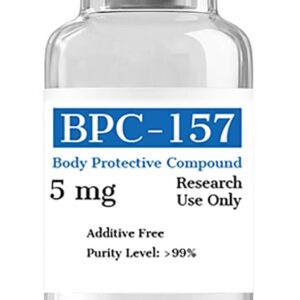
In the rapidly evolving world of regenerative medicine and performance recovery, peptide therapy has gained massive attention. Among the most discussed combinations is the BPC-157 & TB-500 blend—a powerful duo often explored for its potential in healing, recovery, and tissue repair. Whether you're an athlete, fitness enthusiast, or someone curious about advanced recovery solutions, understanding this peptide blend is essential.
This guide covers everything you need to know about BPC-157 and TB-500, including their benefits, uses, mechanisms, and safety considerations.
What Is BPC-157 & TB-500 Blend?
The BPC-157 & TB-500 blend is a combination of two synthetic peptides that are commonly studied together due to their complementary effects on healing and recovery.
- BPC-157 (Body Protection Compound-157) is derived from a protein found in gastric juice and is known for its regenerative and protective properties.
- TB-500 (Thymosin Beta-4 fragment) is a synthetic peptide associated with tissue repair, cell migration, and wound healing.
When combined, these peptides are believed to work synergistically—targeting multiple healing pathways at once, making them popular in research and sports recovery discussions.
How Does the Blend Work?
The effectiveness of this blend lies in how each peptide targets different biological processes:
1. Tissue Repair and Regeneration
BPC-157 promotes tissue regeneration by stimulating growth factors, enhancing collagen production, and supporting angiogenesis (formation of new blood vessels).
TB-500, on the other hand, supports cell migration and differentiation, helping damaged tissues rebuild more efficiently.
2. Improved Blood Flow
Both peptides contribute to better circulation. TB-500 enhances endothelial cell activity, while BPC-157 supports vascular healing, ensuring injured tissues receive more oxygen and nutrients.
3. Inflammation Modulation
Inflammation is a natural response to injury, but chronic inflammation slows healing. This blend may help regulate inflammatory processes, potentially reducing pain and swelling.
4. Synergistic Effects
Together, these peptides provide both structural repair (BPC-157) and functional recovery (TB-500)—a combination that may accelerate overall healing timelines.
Key Benefits of BPC-157 & TB-500 Blend
1. Faster Injury Recovery
One of the most widely discussed benefits is accelerated healing of muscles, ligaments, and tendons. This makes the blend especially popular among athletes recovering from injuries.
2. Enhanced Muscle Repair
The peptides may help repair microtears caused by intense workouts, improving recovery time and performance.
3. Joint and Tendon Support
TB-500 is particularly known for supporting connective tissues, improving flexibility, and reducing stiffness in joints.
4. Reduced Inflammation and Pain
Both peptides may contribute to lowering inflammation, which can help reduce discomfort and improve mobility.
5. Improved Gut Health (BPC-157)
BPC-157 has been studied for its potential role in healing gastrointestinal issues, including ulcers and inflammation.
6. Better Blood Vessel Formation
The blend supports angiogenesis, which is crucial for delivering nutrients to damaged tissues and speeding up recovery.
Common Uses of the Blend
Although primarily studied in research settings, the BPC-157 & TB-500 blend is often associated with the following applications:
• Sports Injury Recovery
Used in discussions around healing muscle tears, ligament injuries, and overuse conditions.
• Post-Surgery Healing
May support recovery after orthopedic procedures by enhancing tissue regeneration.
• Chronic Pain Management
Sometimes explored for conditions involving long-term inflammation or joint discomfort.
• Fitness and Performance Recovery
Athletes and bodybuilders often discuss the blend for faster recovery between workouts.
• Soft Tissue Repair
Includes tendons, ligaments, and skin healing support.
Dosage and Administration (Research Context)
The blend is typically available as a pre-mixed vial containing equal ratios of both peptides (e.g., 5mg/5mg).
However, dosing protocols vary widely in research settings, and some researchers prefer using separate peptides to control individual dosing more precisely.
Important Note: This information is for educational purposes only and not medical advice.
Safety and Side Effects
While the potential benefits sound promising, safety is a major concern.
- These peptides are not approved as medications and lack sufficient human clinical trials.
- Most evidence comes from animal or laboratory studies, not large-scale human research.
-
Possible risks include:
- Unknown long-term effects
- Contamination or purity issues
- Immune reactions or adverse side effects
Experts strongly caution against self-administration, especially with injectable forms.
Are BPC-157 & TB-500 Legal?
The legal status varies by country, but in many regions:
- They are sold as “research chemicals”
- Not approved for human consumption
- Not regulated like pharmaceutical drugs
Always check local regulations before considering any purchase or use.
Important Considerations Before Use
Before exploring peptide therapy, keep the following in mind:
- Consult a qualified healthcare professional
- Verify product quality and third-party testing
- Avoid unverified online sources
- Understand that results may vary and are not guaranteed
Final Thoughts
The BPC-157 & TB-500 blend represents an exciting area of research in regenerative medicine. Its potential to enhance healing, reduce inflammation, and accelerate recovery has made it popular in fitness and medical discussions alike.
However, it’s important to balance the hype with reality. Current evidence is still limited, and safety concerns remain due to the lack of human clinical trials. While the blend shows promise in laboratory and animal studies, more research is needed to fully understand its effects in humans.